
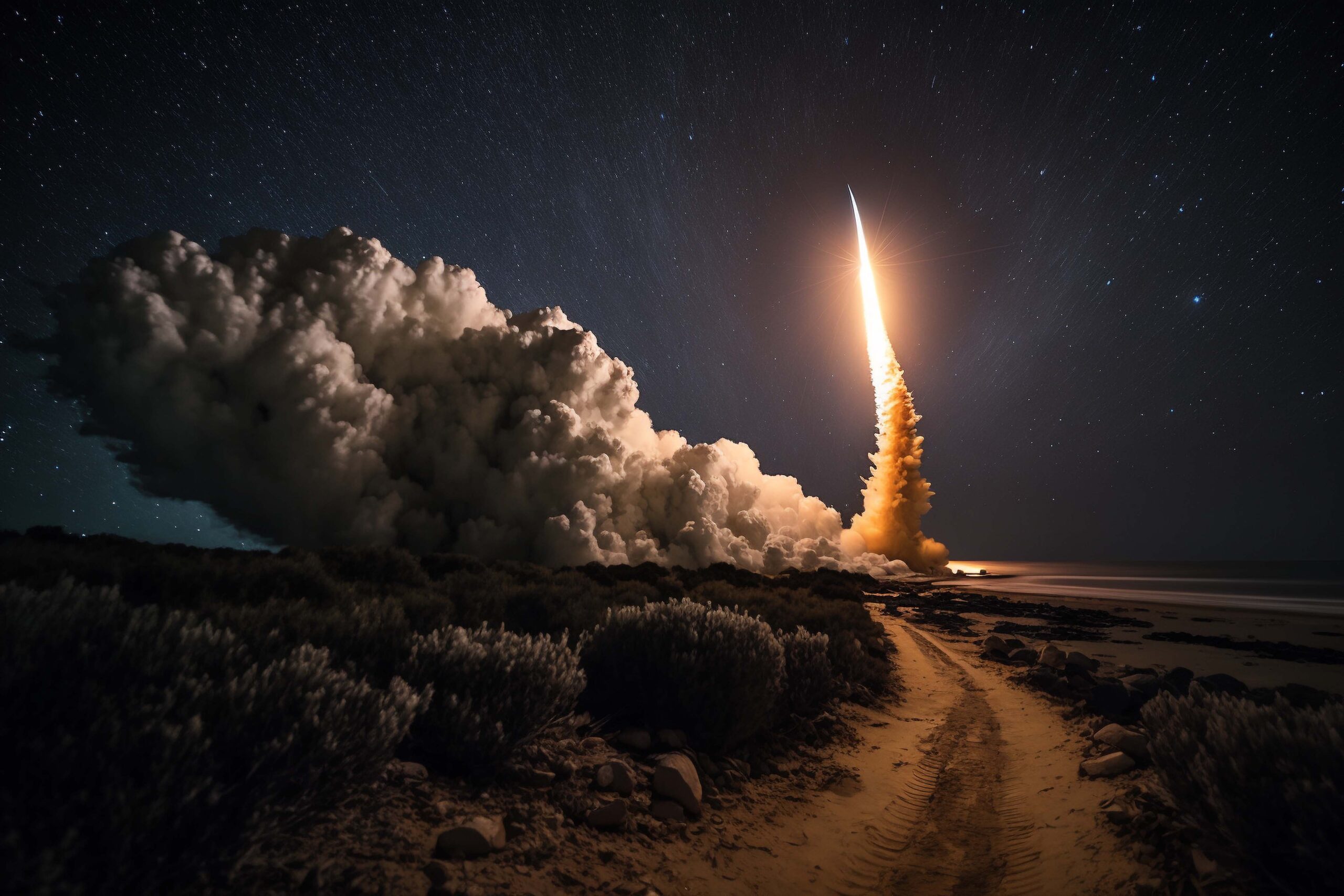
The most costly software bug in history
One of the most costly software bugs in history occurred during the Ariane 5 Flight 501, a European Space Agency mission that ended in disaster just 37 seconds after launch.
The Ariane 5 rocket self-destructed shortly after liftoff due to a software error in its inertial reference system. Specifically, a 64-bit floating-point number representing the rocket’s horizontal velocity was converted into a 16-bit signed integer. The value was too large to fit, causing an overflow error. This triggered a shutdown of the guidance system, and the backup system—running identical software—failed in the same way.
With no valid guidance data, the rocket veered off course, prompting its automatic destruction system to activate. The explosion destroyed the rocket and its payload of scientific satellites.
The financial loss was estimated at around $370 million USD, but the broader impact included delays in the European space program and a major reassessment of software engineering practices in safety-critical systems.
What made the bug particularly striking was that the faulty code had been reused from the earlier Ariane 4 rocket. In that context, the variable in question never exceeded safe limits, so the issue had gone unnoticed. The Ariane 5, however, operated under different flight conditions, exposing the flaw.
This incident is now a textbook example of how assumptions in reused code, lack of proper error handling, and insufficient testing under new conditions can lead to catastrophic—and extremely expensive—failures.
Tag:bug, software bug

You may also like

Managing Test Cases with Google Sheets

How to create the best test cases
